




.svg)
wo shows, one platform, and a lot of false storylines that real creators are going to spend months cleaning up after.
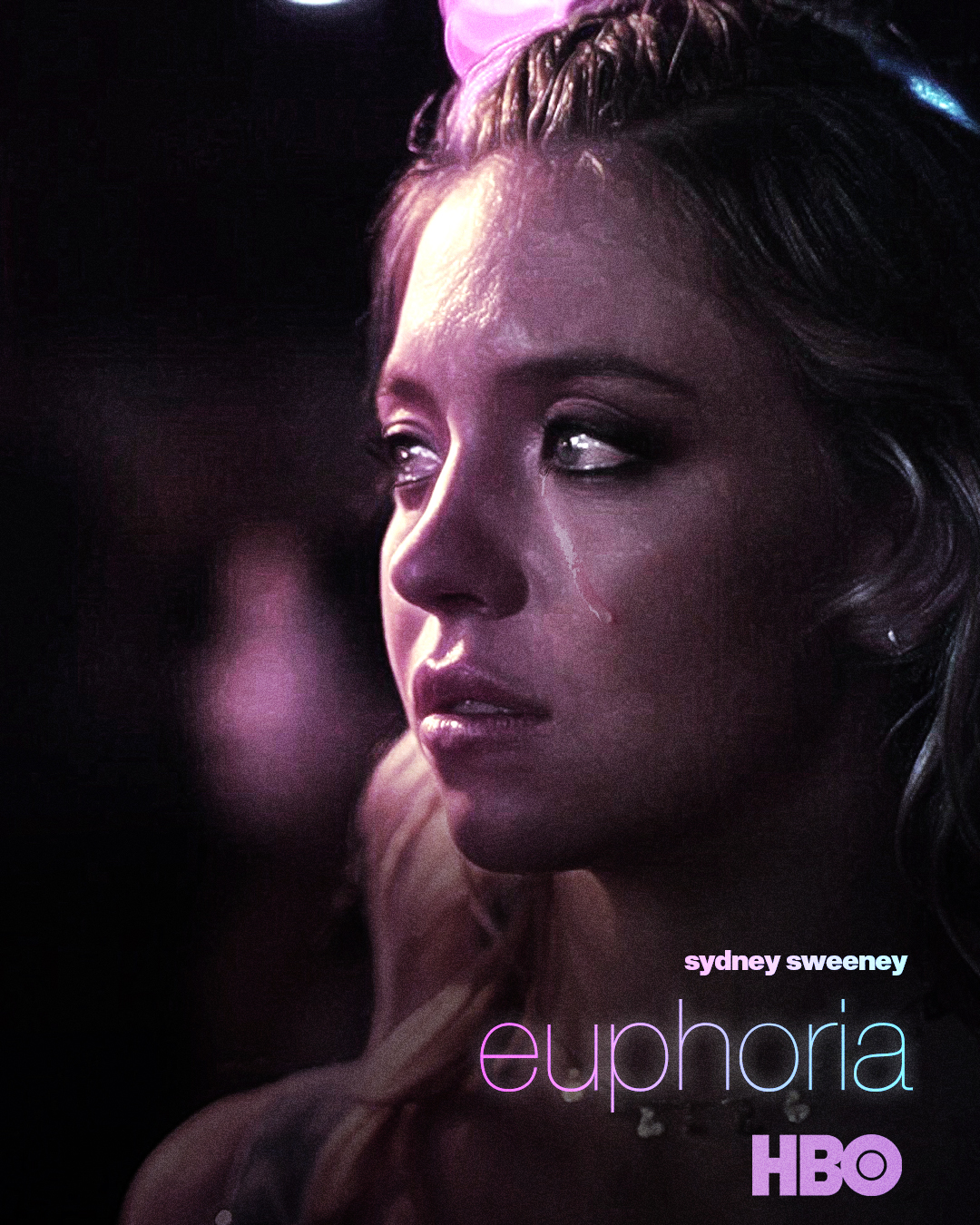
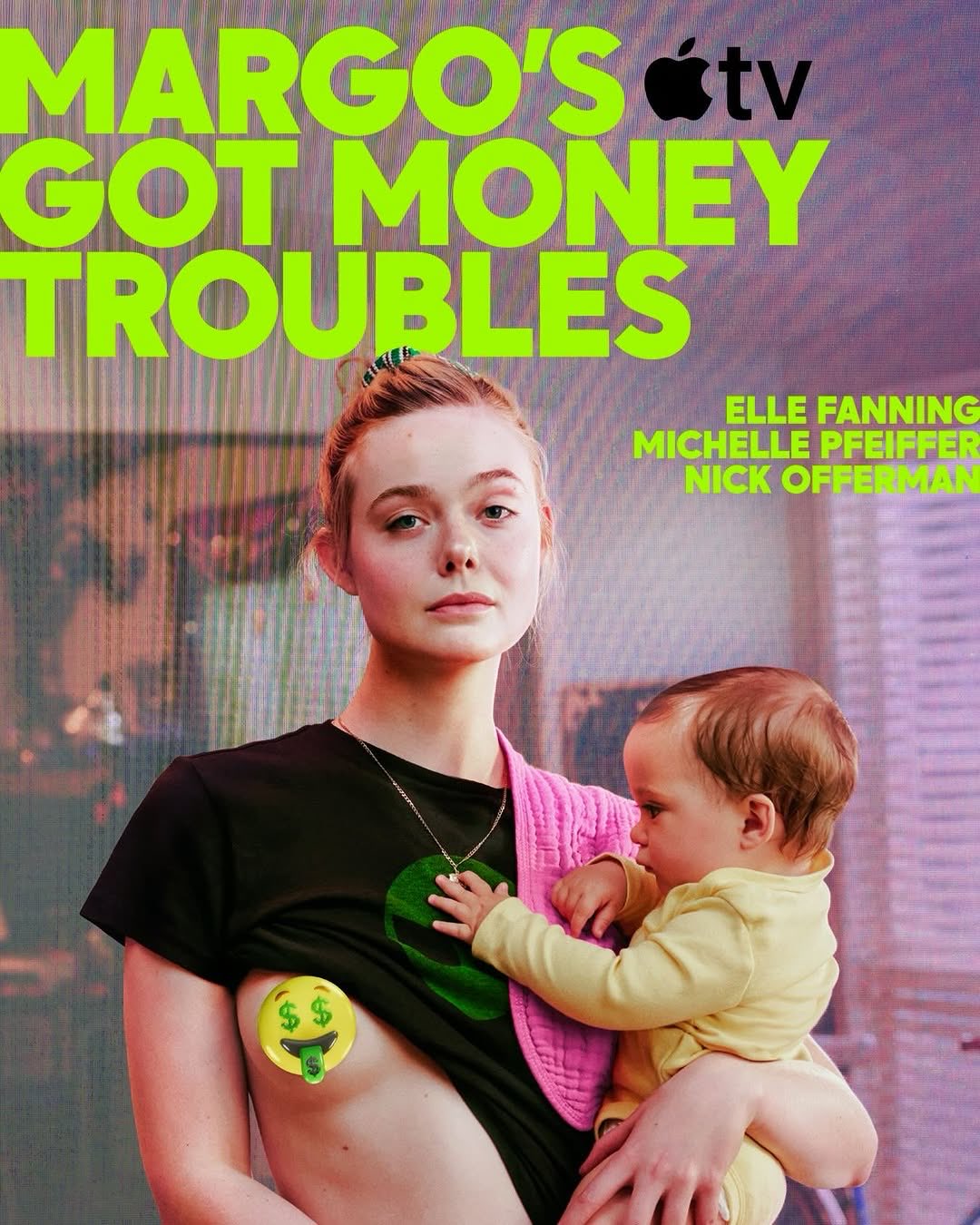
It is apparently the year of OnlyFans on television: Euphoria Season 3 has Cassie Howard using the platform to fund her wedding with Nate Jacobs before the relationship implodes, and the content gets considerably more erratic. Margo's Got Money Troubles on Apple TV has Elle Fanning's Margo going full alien performance art as "The Hungry Ghost," a metallic green extraterrestrial who offers mild nudity and pointed criticism of her subscribers' anatomy, to support her infant son after losing her restaurant job. Two different shows, two different tones, and two very different ideas about what this work actually looks like and who does it.
The industry has noticed. Holly Randall (our Editor-in-Chief), made the point plainly: the portrayal of sex work in mainstream media rarely is accurate or flattering to the profession. That observation sits at the center of a conversation that has been getting louder since both shows dropped, with creators across the platform weighing in on what Hollywood keeps getting wrong and, occasionally, what it manages to get closer to right.
Euphoria is the clearer offender. The season's most discussed scene involves Cassie styled like a baby, in pigtails, pacifier, sheer outfit, performing for a camera while the show frames it as rock bottom. What it actually depicts is something that is actually against OnlyFans terms of service: meaning, if you shot this kind of content, it’d be immediately removed and your account could be shut down. Maitland Ward, who left Boy Meets World behind to build a six-figure monthly income on OnlyFans, went on TMZ Live to say exactly that. "There's always this untrue stigma that somehow sex work is synonymous with sex trafficking and abuse," she said. "And they just said, let's make a joke of it. I'm not laughing." She also pushed back on the show's suggestion that a creator can show up, do extreme stunts, and walk away a millionaire. "There are so many creators who are really working hard to build their brands every day," she said. "To say she can just come on and bounce her boobs and do these gross shots and she's going to make millions overnight is not the case." Sydney Leathers called the overall depiction cartoonish, which is generous. The show needed a visual shorthand for a woman in freefall and reached for something it assumed audiences would find disturbing.
Margo's Got Money Troubles is a more interesting case. Where Euphoria drew consistent criticism for sensationalizing the work, Margo has been credited for a less cartoonish take, with Fanning's Margo pouring genuine effort into costumes, storylines, and sets, treating the content creation as exactly that: work. And the research showed, Fanning and the writers' room created an actual OnlyFans account during production so she could understand how the platform functions. The result is a portrayal that reads less like a morality play and more like a depiction of someone navigating real economic circumstances with the tools available to her. Rufi Thorpe, who wrote the novel the show is based on, spoke to actual creators during her research and found that every model she encountered had joined the platform for the money, which she described as the predominant reason anyone does sex work. We’d like to point out the fact that the predominant reason anyone works at all is for the money… but never mind that.
The volume of this moment matters. In the first half of 2026 alone, multiple projects have centered sex workers, cam girls, and adult entertainers, from the Sundance breakout Bunnylovr to the upcoming Apple TV thriller Maximum Pleasure Guaranteed. Hollywood has decided OnlyFans is a cultural moment worth dramatizing, which would be fine if any of it bore a resemblance to how the platform actually operates. As one creator put it, she watches these shows not for accuracy but to track what narrative is being pushed and how close it gets to reality. The fact that accuracy is already off the table before the first episode airs says everything about where the priorities sit.
The consequences of this television season will not fall on the showrunners or the critics writing about prestige TV's complicated relationship with sex work. They fall on the creators who field assumptions shaped by scenes like Cassie's, the performers who spend the next year explaining what they actually produce, and the professionals who have been making careful, principled choices about their work while Hollywood decided those choices made for less compelling television.
The portrayal is rarely accurate, and we are exhausted from repeating ourselves. But nobody in those writers' rooms appears to be listening.

