




.svg)
hannon Elizabeth made over a million dollars in her first week on OnlyFans. Let that sink in for a moment — because it says something significant, not just about one actress’s career pivot, but about where the entertainment industry’s center of gravity is quietly shifting.
Elizabeth, best known for her breakout role in American Pie nearly three decades ago, launched her OnlyFans account in 2026 and immediately attracted hundreds of thousands of subscribers. Her debut earnings reportedly exceeded what she made from several of her most recognizable film roles — combined. Her content isn’t explicit. It’s personal, playful, and built on direct connection with fans. She’s also pledging a portion of proceeds to the Shannon Elizabeth Foundation, folding philanthropy into what could easily have been dismissed as a career stunt.
This is what a calculated reinvention looks like in 2026, and the entertainment press would do well to stop treating it like a punchline.

The celebrity-to-OnlyFans pipeline has been building for years: Cardi B was among the first major mainstream names to signal that the platform was worth paying attention to. Then Bella Thorne’s chaotic debut (which broke records and sparked a policy overhaul) proved that celebrity presence on OnlyFans didn’t just drive traffic, it drove headlines. Jamie Pressly’s recent addition to the platform is the quieter version of the same story: another recognizable name choosing direct-to-fan distribution over the diminishing returns of traditional media appearances. What ties all of these stories together isn’t shock value: it’s ownership.
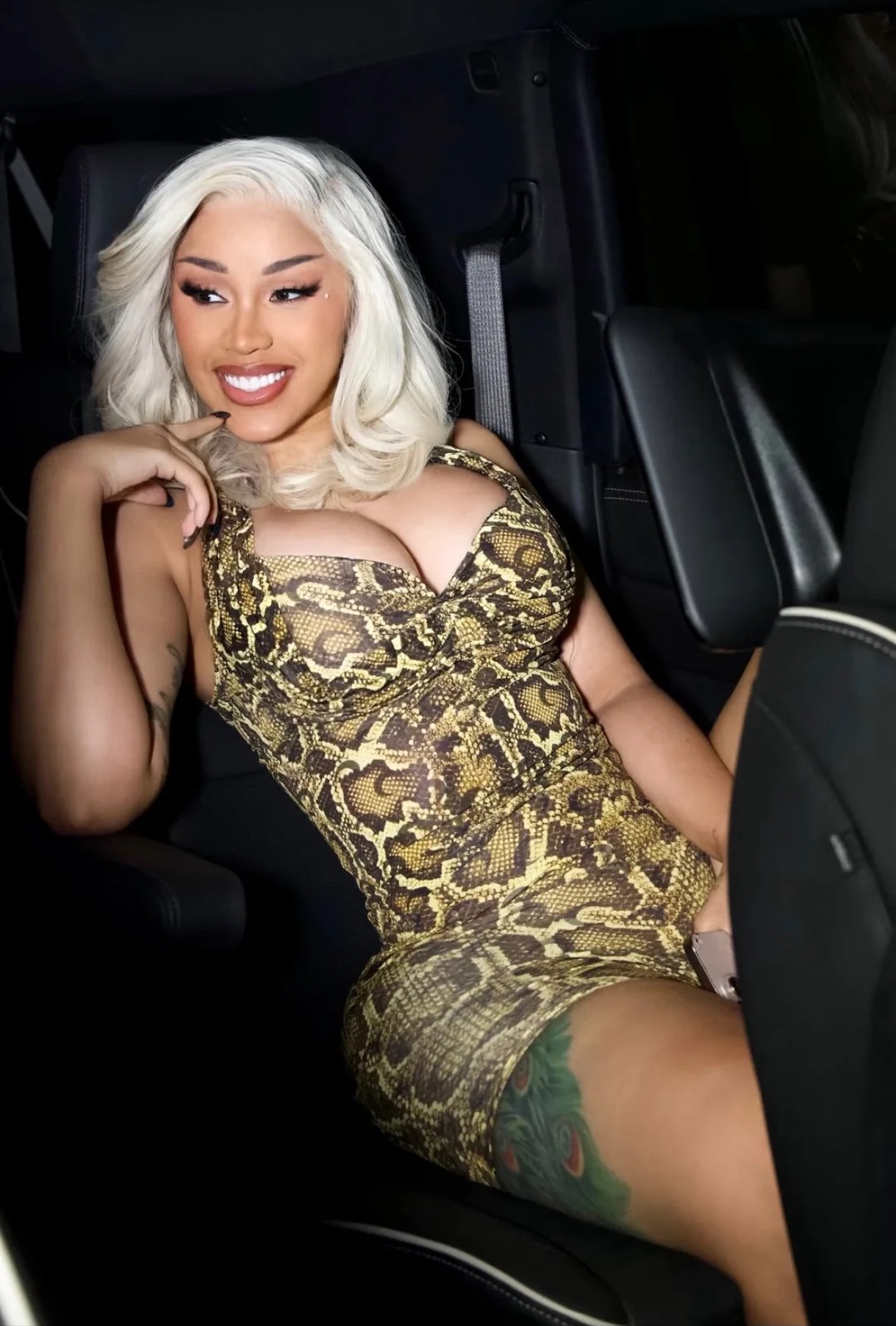
OnlyFans has spent years fighting a reputation problem it largely didn’t earn. The platform became synonymous with explicit content in the public imagination, while a significant portion of what gets posted there: fitness content, cooking, behind-the-scenes footage, lifestyle, fan Q&As, went largely unreported. The misconception was useful for generating outrage (which as we all know is what sells), but less useful for understanding what was actually happening economically. Creators across content categories built sustainable incomes on a platform that paid them directly, without label deals, studio contracts, or agents skimming percentages off the top.
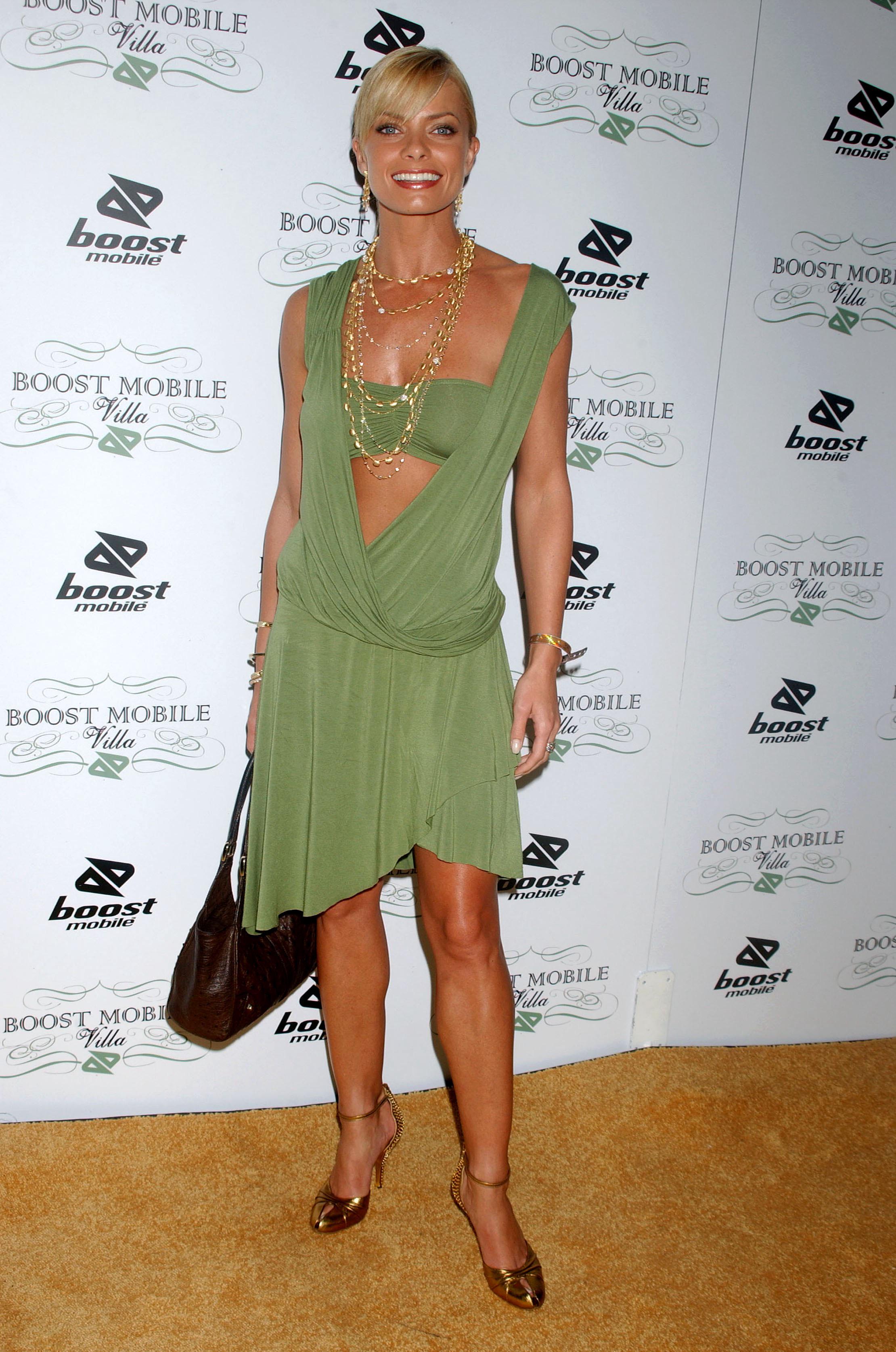
For Elizabeth, the timing carries added weight. Her OnlyFans launch came shortly after filing for divorce — a moment that, in a previous era of celebrity culture, would have meant retreating from public life or submitting to a narrative someone else wrote. Instead, she used it as a starting gun, and the platform gave her a direct line to her audience, a format she controls entirely, and an income stream that doesn’t require a casting director’s approval.
The broader shift OnlyFans represents is less about any individual creator and more about what audiences have made possible. The parasocial economy — fans paying for proximity, authenticity, and access — has matured into a legitimate industry vertical. When a studio greenlit a project, it controlled the star’s visibility. When a star controls her own subscription platform, she controls everything: the content, the cadence, the pricing, the persona. There are no gatekeepers to charm and no executives to greenlight the version of you that you actually want to be.
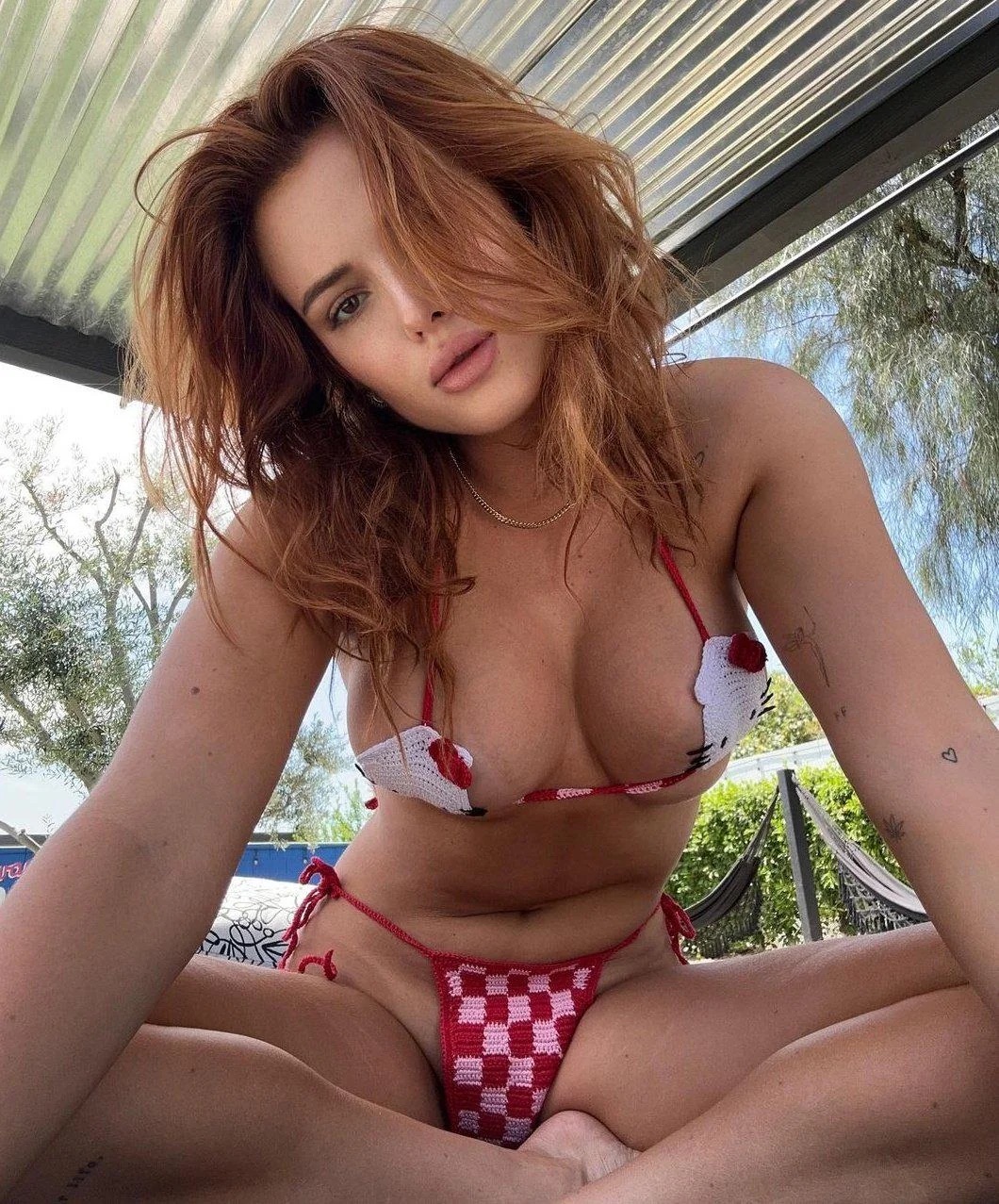
Shannon Elizabeth at 52 is not the same commodity the studio system packaged in 1999, but rather something more interesting: a woman who built a fan base, let it go dormant for years, and is now walking back into the room on her own terms. The million-dollar week isn’t the story. The fact that she didn’t need anyone’s permission to have it… now that’s a story.

